

A BIOINTERPHASE TECHNOLOGY
THERMOPHASE®
A biocide-free surface treatment designed to improve heat transfer and resist fouling in industrial cooling and heat-exchange systems. By modifying the fluid–surface interface, it reduces boundary-layer resistance and can enhance heat transfer even on clean equipment; over time, it helps limit the biological and other fouling that adds thermal resistance.
TECHNOLOGY OVERVIEW
Two Complementary Performance Benefits
THERMOPHASE is a waterborne nanomaterial that attaches to the heat-transfer surface, forming a molecule-thin barrier. Heat moving across a tube wall meets three resistances: the material itself (RM), fouling deposits (RF) and the boundary layer of water at the surface (RB). THERMOPHASE targets the last two.
Enhanced Heat Transfer
Lower boundary-layer resistance (RB) means better heat transfer right away, including on equipment that is already reasonably clean.
Resistance to Fouling
The barrier keeps organic and biological foulants from attaching, so fouling resistance (RF) builds more slowly and surfaces stay easier to clean.
Originating in a U.S. Navy SBIR program for seawater systems, THERMOPHASE has been evaluated in marine, power-generation, building-cooling, federal-facility, healthcare and data-center settings.
Untreated
With
THERMOPHASE is circulated through the condenser and binds to the tube surface as a layer one molecule thick.
UNTREATED
Bare metal surface
WITH
Layer forming
Cost to operate over one year
Untreated tubes collect biofilm and mineral deposits that insulate the wall, so less heat reaches the cooling water. THERMOPHASE binds to the tube surface as a molecule-thin layer that keeps deposits from attaching, so heat keeps flowing.
Heat crossing a tube wall meets three resistances: the wall material (RM), fouling deposits (RF) and the boundary layer of water at the surface (RB). THERMOPHASE reduces RF and RB. Simplified illustration; rates, amounts and costs are not to scale, and actual savings depend on site conditions.
SAFETY
Trusted in Operating Hospitals
Hospitals are among the most demanding places to run a cooling system. THERMOPHASE has been applied to chillers in working hospitals, where reliability and safety come first.
Why facilities can use it with confidence
- Biocide-freeTHERMOPHASE resists fouling by keeping organisms from attaching to the surface, not by killing them with toxic chemicals.
- Non-leachingIt binds to the heat-transfer surface as a molecule-thin layer instead of dissolving into the cooling water.
- Works with your water treatmentIt has been tested with a variety of common water-treatment chemistries and customer water samples, with no incompatibilities found.
- Contained, planned applicationOnly the isolated equipment being treated is taken offline, for about an hour. The rest of the plant keeps running.
PERFORMANCE EVIDENCE
Demonstration results by market
THERMOPHASE has been demonstrated on an operating power-plant condenser at Longview Power, where condenser back pressure was 0.26 ± 0.13 inHg lower over two years of monitoring after treatment, and evaluated independently by EPRI on condenser tubes.
0.26 inHg
measured: lower condenser back pressure (± 0.13 inHg)
$3.35M
estimated: fuel savings over two years
136 million
estimated: pounds less CO₂ emitted
1.287 billion
estimated: gallons less water withdrawn
From the DOE final technical report. Estimates are derived from the measured back-pressure reduction; results reflect one plant’s operating conditions and are not guarantees.
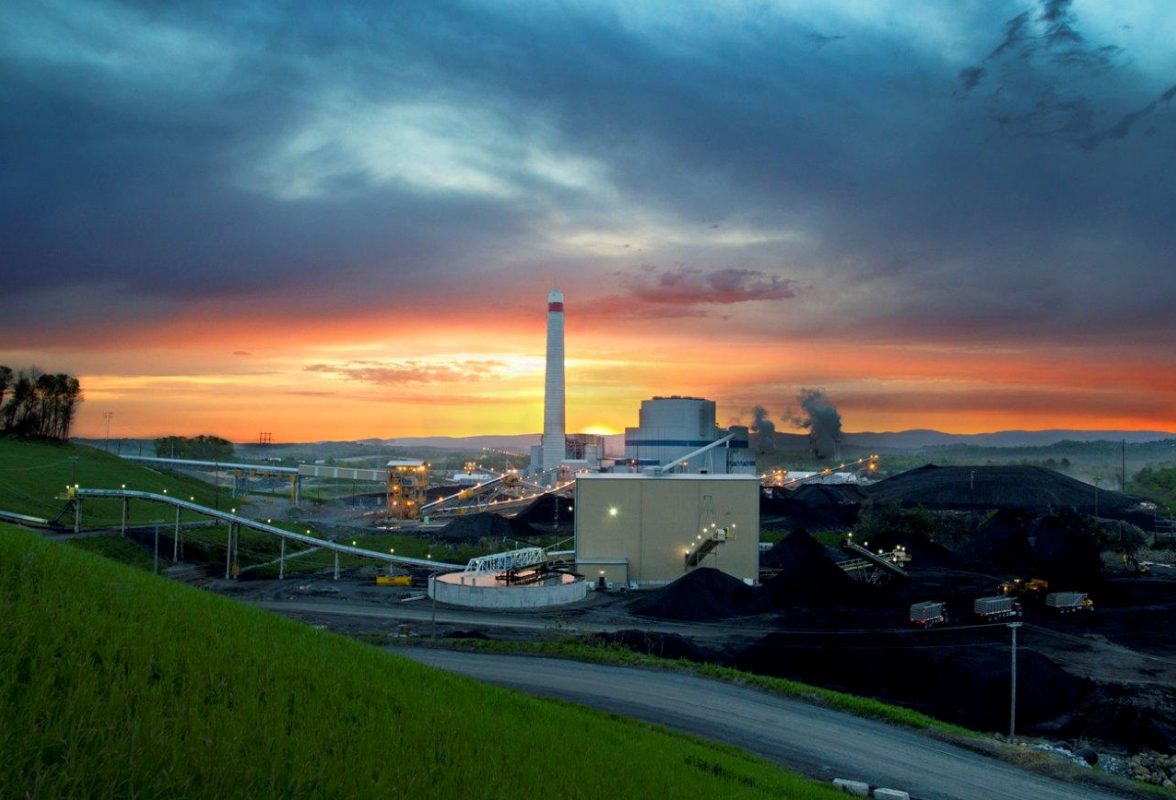
Longview Power
- Organization
- DOE Office of Fossil Energy · NETL
- Application
- Operating power-plant condenser
- Documented outcome
- 0.26 ± 0.13 inHg lower condenser back pressure; estimated $3.35M in fuel savings over two years

EPRI independent testing
- Organization
- Electric Power Research Institute
- Application
- Condenser-tube heat transfer
- Documented outcome
- Independent evaluation of heat-transfer performance
Industrial cooling covers
- Building chillers
- District energy plants
- Chiller and heat-exchanger systems
- Data-center cooling
Under the DoD ESTCP program, a THERMOPHASE-treated 850-ton chiller at a Navy hospital was compared with an untreated chiller.
23.5%
reported: lower normalized condenser approach temperature
$20,220
projected: annual value
2–3 mo
projected: simple payback
Projections versus an untreated baseline; they depend on operating assumptions and are not guarantees. The final performance report is in progress.
Navy Hospital
- Organization
- DoD ESTCP · Navy hospital
- Application
- 850-ton facility chillers
- Documented outcome
- 23.5% lower normalized condenser approach temperature, treated versus untreated chiller
District energy plant, New Orleans
- Organization
- New Orleans, Louisiana
- Application
- Four ~2,000-ton centrifugal chillers versus four matched untreated controls
- Documented outcome
- 5.6–14.3% lower kW draw by load range; approach temperature maintained at 0.2–1.2 °F
Hospital facility
- Organization
- Pittsburgh, Pennsylvania
- Application
- Building chillers, treated annually since 2021
- Documented outcome
- Zero new failed or degraded condenser tubes 2021–2024 by eddy-current testing; annual tube cleaning avoided
Navy hospital demonstration → · All industrial cooling demonstrations →
THERMOPHASE began in a U.S. Navy SBIR program for submarine seawater systems and has since been applied to a shipboard chiller and seawater cooling system aboard USTS Kennedy, where a significant reduction in biofouling was observed after 115 days.
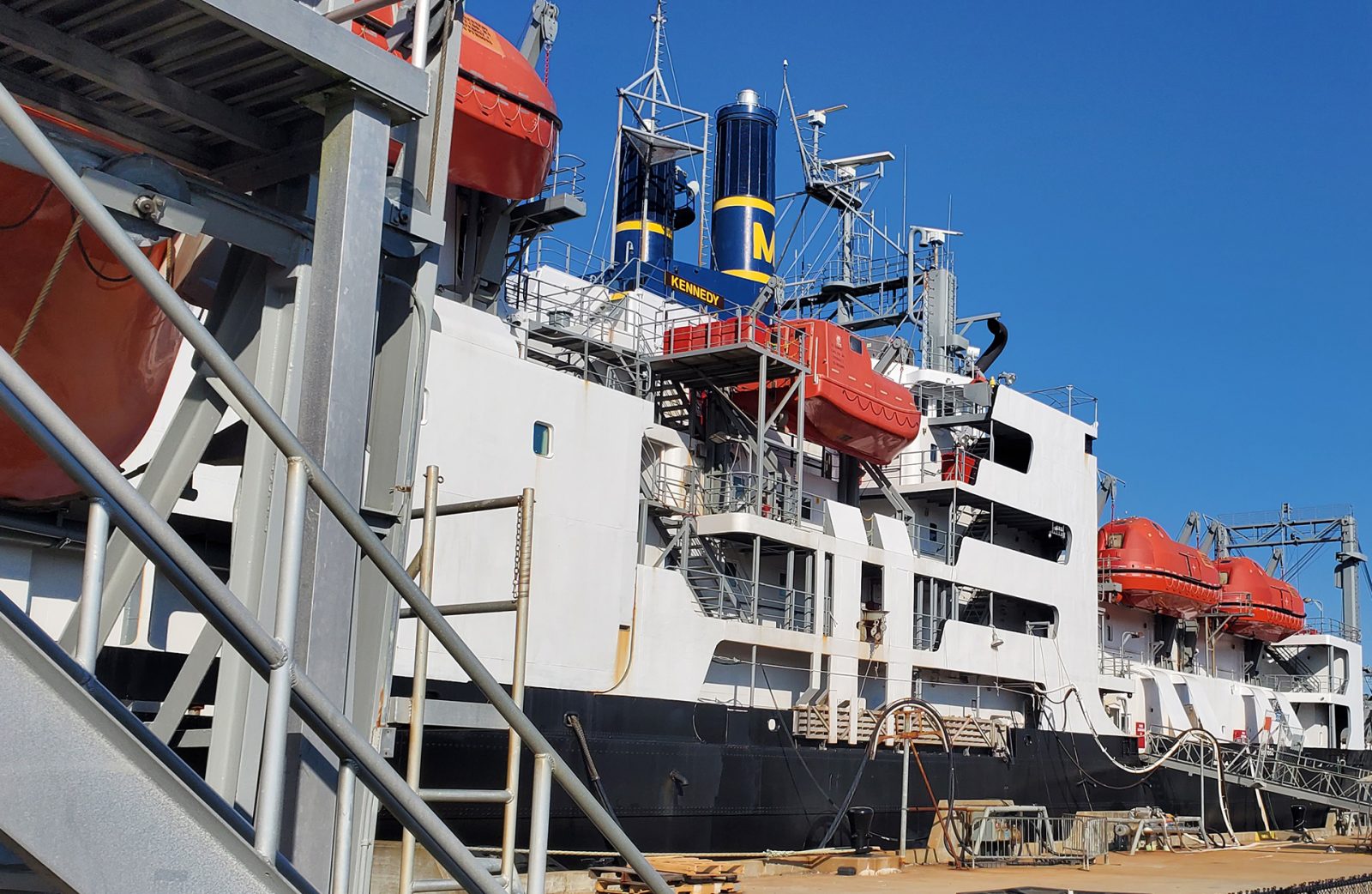
USTS Kennedy
- Organization
- DOT Maritime Administration (MARAD), with Massachusetts Maritime Academy and Life Cycle Engineering
- Application
- Marine chiller and seawater cooling system
- Documented outcome
- Significant biofouling reduction after 115 days, 2021–2022
Marine is where THERMOPHASE began; current commercial availability is being defined.
ECONOMICS
Understanding the Potential Economics
Fouling costs money in different ways in each market. Choose a market to see where the value comes from and what has been documented so far.
Documented: one field demonstration with published estimates; other results pending
- Fouling builds upDeposits form on condenser tubes, and heat transfer drops.
- Condenser pressure risesThe turbine exhausts against higher pressure, so it converts less steam energy into power.
- Costs go upMore fuel for each megawatt-hour or lost output, especially in hot weather, plus cleaning outages.
Measured, with estimates
Longview Power
$3.35M estimated fuel savings over two years
Over the two years of monitoring after treatment, estimated from the measured back-pressure reduction, as reported in the DOE final technical report
Results reflect one plant’s operating conditions. Demonstration details →
0.26 ± 0.13 inHglower condenser back pressure over two years of monitoring
136 million lbsless CO₂ emitted over two years (estimated)
1.287 billion galless water withdrawn over two years (estimated)
Completed evaluation
EPRI independent testing
Approved public results are to be published. No economic figures are available yet.
Documented: one measured result and one projection, from two different sites
- Fouling builds upDeposits form on condenser tubes between cleanings.
- Approach temperature risesThe gap between the condensing refrigerant and the leaving cooling water grows.
- Costs go upChillers draw more power for the same cooling, and tube cleanings come more often.
Measured
District energy plant, New Orleans
$20,169 per chiller per year
Estimated energy savings at $0.098/kWh ($16,876 at $0.082/kWh), from measured kW draw, run time and load
Energy only; maintenance savings are not included. Demonstration details →
Projection
Navy hospital
$20,220 per chiller per year
Projected gross annual value, from demonstration briefing assumptions
23.5%lower normalized approach temperature (reported)
2–3 mocalculated simple payback
The final performance report is in progress. Demonstration details → · ESTCP project page ↗ (opens in a new tab)
0new failed or degraded condenser tubes
From 2021 to 2024 at a hospital facility, by eddy-current testing. This maintenance benefit has not been priced.
No economic figures available for marine systems
- Seawater fouling builds upDeposits form in seawater piping, condensers and heat exchangers.
- Cooling capacity dropsEquipment has to work harder, or carries less load, to stay within temperature limits.
- Costs go upLower energy efficiency, higher emissions, more cleaning and maintenance, and more time out of service.
THERMOPHASE began in a U.S. Navy program for submarine seawater systems. The USTS Kennedy demonstration, sponsored by the Maritime Administration, reported a significant reduction in biofouling after 115 days, but reliable data could not be collected from the ship’s seawater-cooled chillers, so efficiency and cost savings were not calculated.
Current commercial availability for marine systems is being defined. All marine projects →
Your system
Economic value depends on how much heat-transfer performance is preserved and on site conditions: equipment size, operating hours, load, energy prices, water chemistry and cleaning practices. A lower approach temperature is not an equal percentage reduction in energy use. These examples are not guarantees for another facility.
IMPLEMENTATION
Implementation & Compatibility
- Is THERMOPHASE safe to use in occupied facilities such as hospitals?
- THERMOPHASE has been applied to chillers in working hospitals, including an 850-ton mission-critical chiller at a Navy hospital and building chillers at a Pittsburgh hospital treated every year since 2021. It is biocide-free and non-leaching: it keeps organisms from attaching instead of killing them with toxic chemicals, and it binds to the heat-transfer surface rather than dissolving into the water. Only the isolated equipment being treated is taken offline during application. More on safety →
- How is the treatment applied?
- You and Biointerphase select the assets to treat. Each is isolated and taken offline, and THERMOPHASE, a waterborne nanomaterial, is circulated through the isolated equipment for about one hour to cover the essential heat-transfer surfaces.
- Which types of equipment are compatible?
- Heat-transfer surfaces in equipment such as chiller condensers and evaporators and plate heat exchangers, in stainless steel, copper, copper-nickel, aluminum and titanium. It has also been evaluated on a power-plant condenser, seawater piping and a shipboard chiller.
- Does installation require downtime?
- Only the asset being treated is taken offline, for a short, planned application window. It then returns to service with no operational changes, while the rest of the plant keeps running.
- What surface preparation is necessary?
- Apply THERMOPHASE to reasonably clean systems so it adheres well to the surface. Most customers use a low approach temperature or similar metrics to judge readiness. In the case studies below, it was applied after the condenser tubes were cleaned.
- What operating conditions have been evaluated?
- Water-cooled centrifugal chillers of about 850 and 2,000 tons, hospital chillers, an operating power-plant condenser and Navy seawater systems. It has been tested with a variety of common water-treatment chemistries and customer water samples, with no incompatibilities found.
- How is treatment durability assessed?
- Against untreated controls or a pre-treatment baseline: approach temperature and kW draw by load, and tube condition by borescope and eddy-current testing. At a hospital facility, annual eddy-current testing found zero new failed or degraded tubes from 2021 to 2024.
- What maintenance considerations apply?
- Annual reapplication is recommended. Because THERMOPHASE attaches to the surface rather than staying suspended in the water, it works alongside existing water-treatment programs. Customers have used it to skip annual condenser tube cleanings.
- How does Biointerphase evaluate suitability?
- We review your equipment, materials, cleanliness, operating data and water treatment with you, select the target assets together and agree in advance how results will be measured.
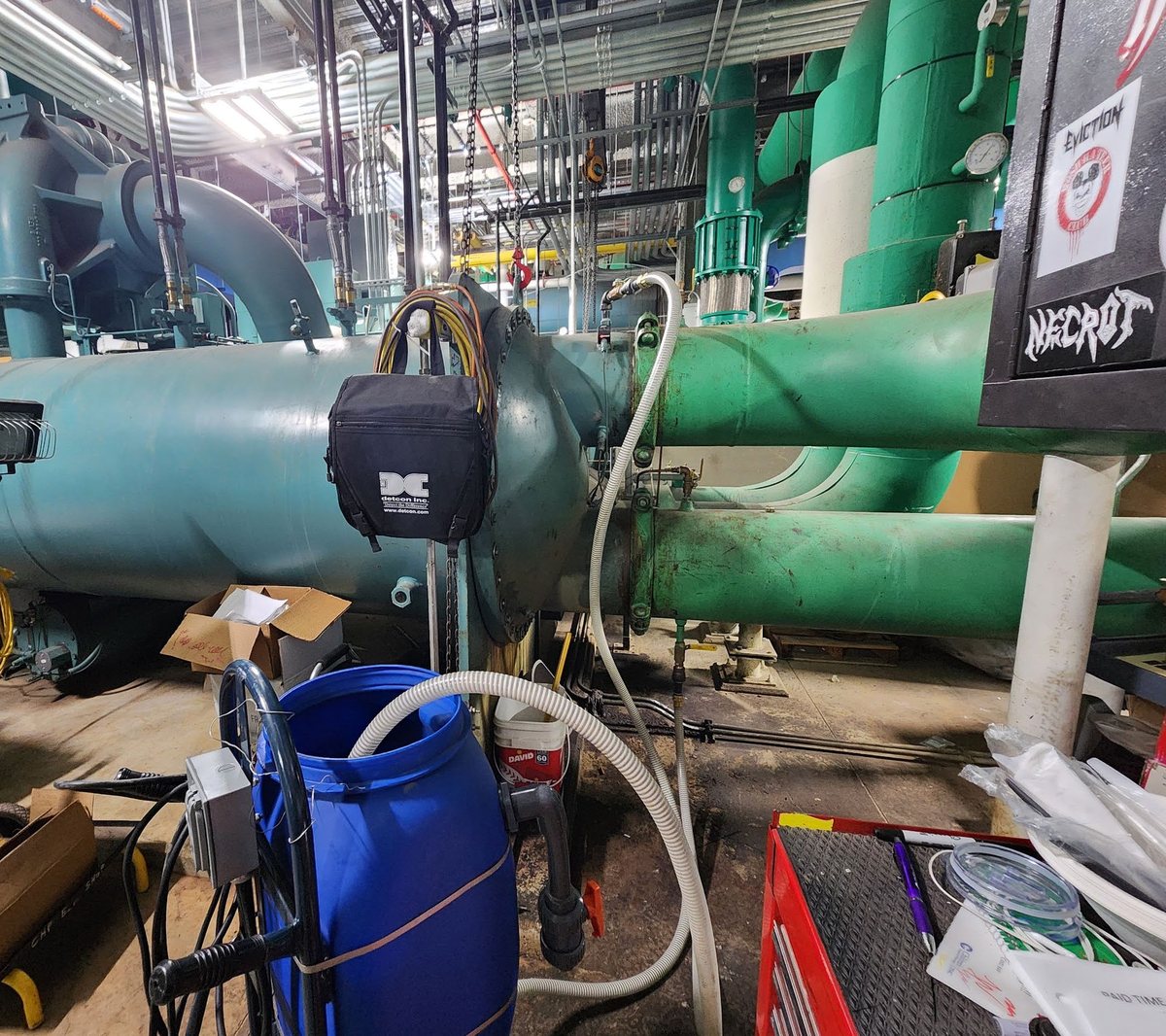
Confirmed during a technical review
Before any treatment, we confirm with you:
- Which THERMOPHASE formulation fits your system
- Application timing relative to your cleaning schedule
- Operating temperature and pressure range
- Baseline data and the measurement plan
APPLICATIONS
Target applications
AVAILABILITY
Commercial partners and availability
THERMOPHASE is available for technical evaluation in power generation and industrial cooling, including data centers. In power generation, THERMOPHASE is licensed to Pittsburgh Chemical Solutions (PCS) (opens in a new tab), which sells it globally and has applied it at coal-fired, combined-cycle (CCGT) and nuclear plants. It also reaches utilities through Nalco Water, an Ecolab company. For every market, one inquiry to Biointerphase starts the conversation.
Request technical information
Tell us about your cooling or heat-transfer application, and we can discuss whether THERMOPHASE warrants a technical evaluation.
Something else? Contact us.