
Hospital facility
Building chillers in Pittsburgh, Pennsylvania, treated with THERMOPHASE every year since 2021.
← All industrial cooling demonstrationsHow THERMOPHASE is used in industrial cooling →
Ongoing program
Demonstration summary
- Customer
- Hospital facility
- Application
- Building chillers
- Status
- Ongoing annual program
Result
Reduced fouling on condenser tubes and zero new failed or degraded tubes from 2021 to 2024
Operational significance
No spending on tube plugging; annual tube cleaning skipped (about three shifts per chiller); no cleanings needed between eddy-current inspections
Safety
Treated every year since 2021 in an operating hospital. THERMOPHASE is biocide-free and non-leaching, and each chiller is treated while isolated, then returned to service with no operational changes. More on THERMOPHASE safety →
The problem
In one untreated year (2020–2021), condenser tubes fouled visibly between cleaning and inspection, adding energy cost, maintenance and the risk of tube failure
What was done
Chiller tubes cleaned, then THERMOPHASE applied by circulation through the condenser bundles; repeated annually since 2021, with eddy-current testing
Limitations Energy savings at this site have not been quantified publicly
Documentation
Case study available on request →
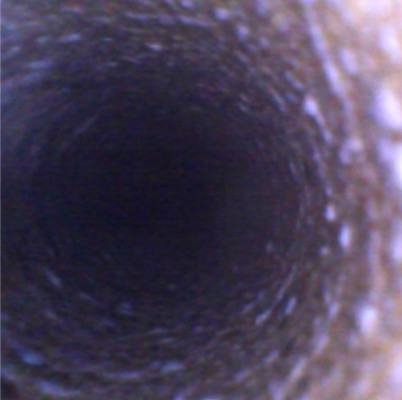 One year without THERMOPHASE
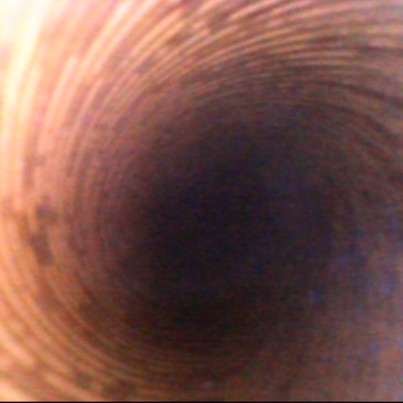 One year with THERMOPHASE
MORE DEMONSTRATIONS
More industrial cooling demonstrations
Navy Hospital
- Organization
- DoD ESTCP · Navy hospital
- Application
- 850-ton facility chillers
- Documented outcome
- 23.5% lower normalized condenser approach temperature, treated versus untreated chiller
District energy plant, New Orleans
- Organization
- New Orleans, Louisiana
- Application
- Four ~2,000-ton centrifugal chillers versus four matched untreated controls
- Documented outcome
- 5.6–14.3% lower kW draw by load range; approach temperature maintained at 0.2–1.2 °F